
Security Monitoring in Cloud Computing: Turning Alert Noise into Actionable Defense
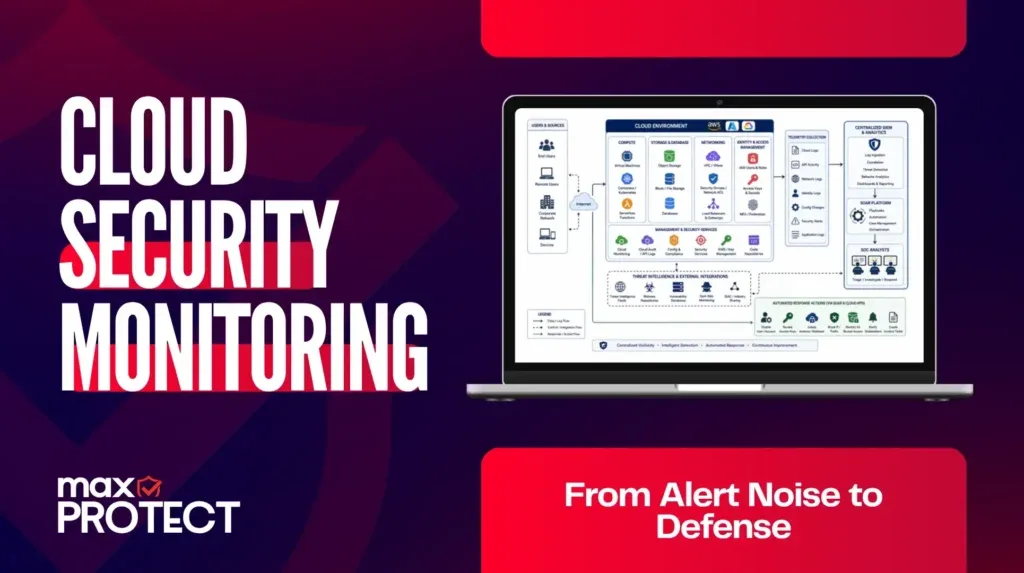
Cloud computing has fundamentally transformed how modern organizations build, deploy, and scale applications. Businesses are increasingly adopting public, private, and hybrid cloud environments to reduce infrastructure costs, accelerate software development, and improve business agility. Cloud service providers such as Amazon Web Services (AWS), Microsoft Azure, and Google Cloud Platform (GCP) offer highly resilient and scalable […]
Windows Active Directory Security: Defending the Heart of Your Enterprise
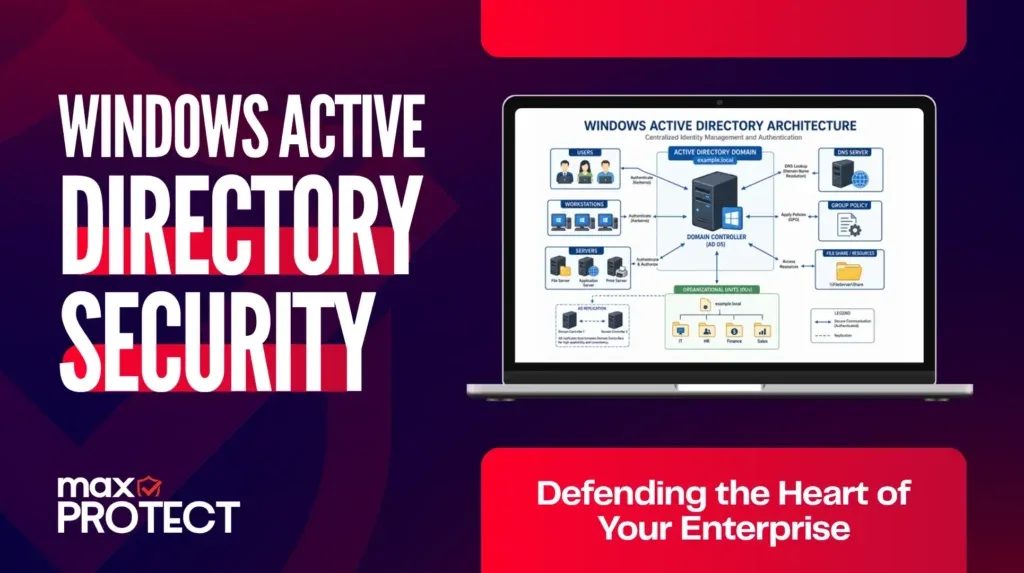
In today’s enterprise environments, identity has become the new security perimeter. As organizations continue to adopt hybrid infrastructures, cloud services, and remote work models, protecting user identities has become just as important as securing networks and endpoints. At the center of most Windows-based enterprise environments lies Microsoft Active Directory (AD), a directory service that acts […]
Server Security Testing: Validating Your Defenses Before Attackers Do
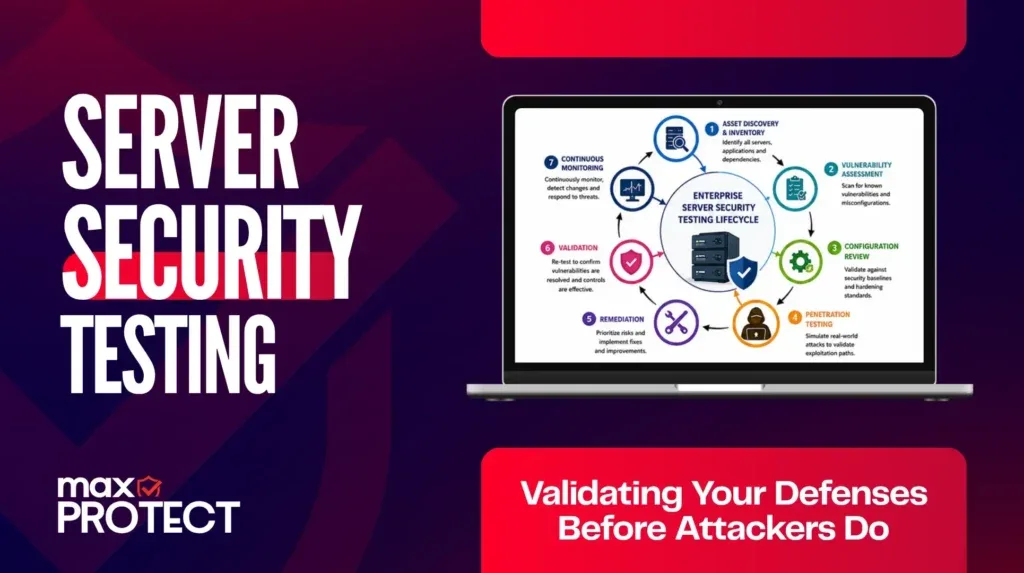
Servers are the foundation of modern enterprise infrastructure. They host business-critical applications, databases, authentication services, file storage, virtualization platforms, cloud workloads, and internal business processes. As organizations continue adopting hybrid cloud environments and distributed infrastructures, servers have become increasingly interconnected, making them one of the most valuable targets for cybercriminals. While organizations invest heavily in […]
Server Access Management: How to Enforce Strict Privilege Controls at Scale
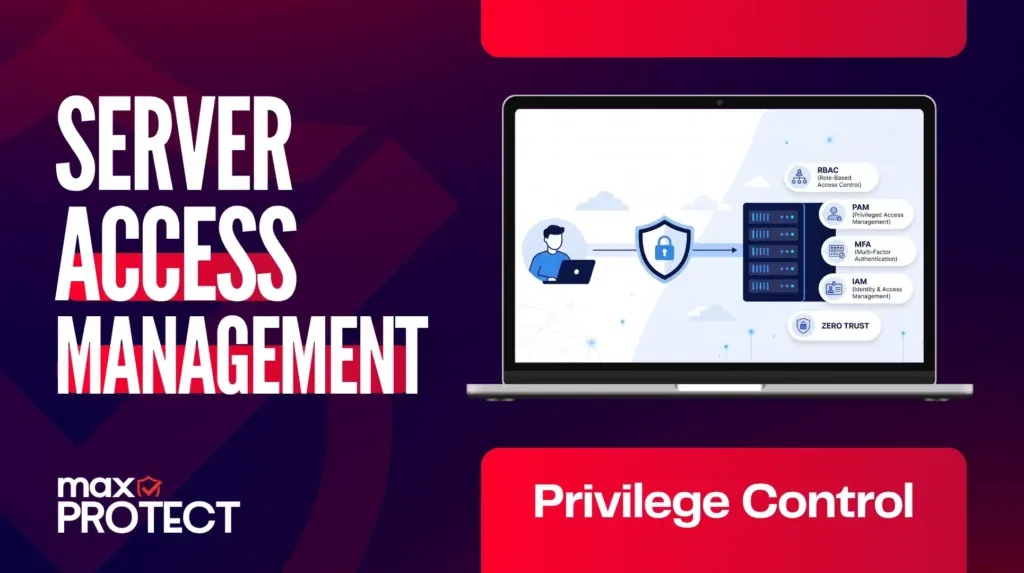
Server Access Management (SAM) is a foundational cybersecurity discipline that governs how users, administrators, applications, and automated services authenticate to servers and what actions they are authorized to perform after authentication. In modern enterprise environments, servers host critical business applications, databases, identity services, virtual infrastructure, and cloud workloads. Because these systems store sensitive information and […]
Domain Controller Security: Defending the Keys to Your Windows Enterprise

Modern enterprises depend heavily on Microsoft Active Directory (AD) to manage identities, authenticate users, authorize access, and enforce security policies across Windows environments. At the heart of this infrastructure lies the Domain Controller (DC)—the system responsible for maintaining the integrity and availability of an organization’s authentication services. Because Domain Controllers store sensitive identity information, security […]
Windows Server Vulnerabilities: The Hidden Security Risks Threatening Enterprise Infrastructure
Windows Server Vulnerabilities: Why Businesses Can No Longer Ignore Server Security In today’s digital landscape, Windows Server environments continue to power some of the most critical business operations across the world. From hosting applications and managing databases to supporting file sharing and authentication services through Active Directory, Windows Servers serve as the foundation of enterprise […]
A Step-by-Step Guide to Your Next Linux Security Compliance Audit
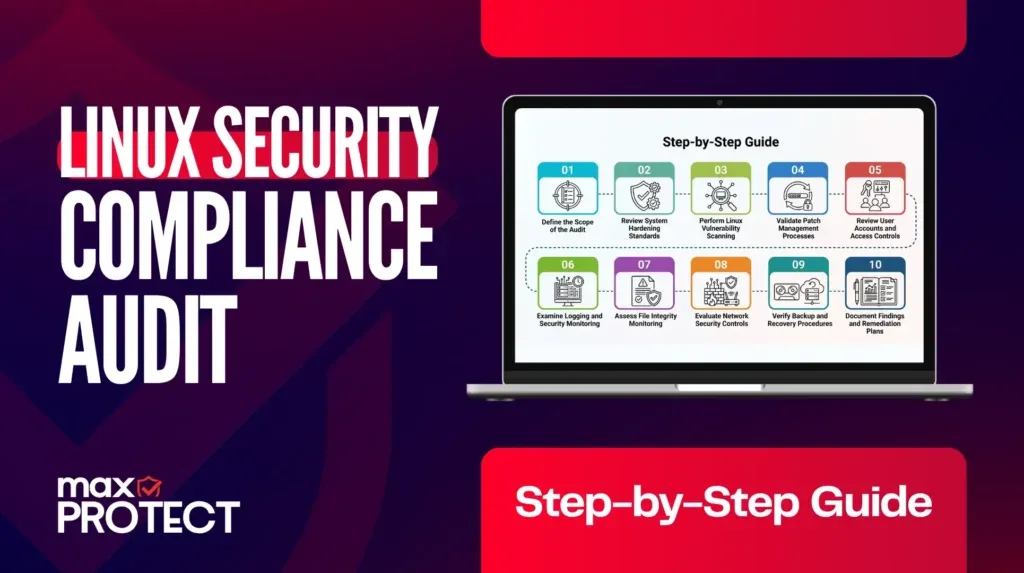
Strengthening Security, Meeting Compliance, and Reducing Risk Across Linux Environments In today’s threat landscape, Linux servers power everything from enterprise applications and cloud infrastructure to financial systems and critical business services. While Linux is widely recognized for its stability and security, it is not immune to cyber threats, misconfigurations, insider risks, or compliance violations. Organizations […]
Top 5 Linux Security Monitoring Tools to Stop Breaches
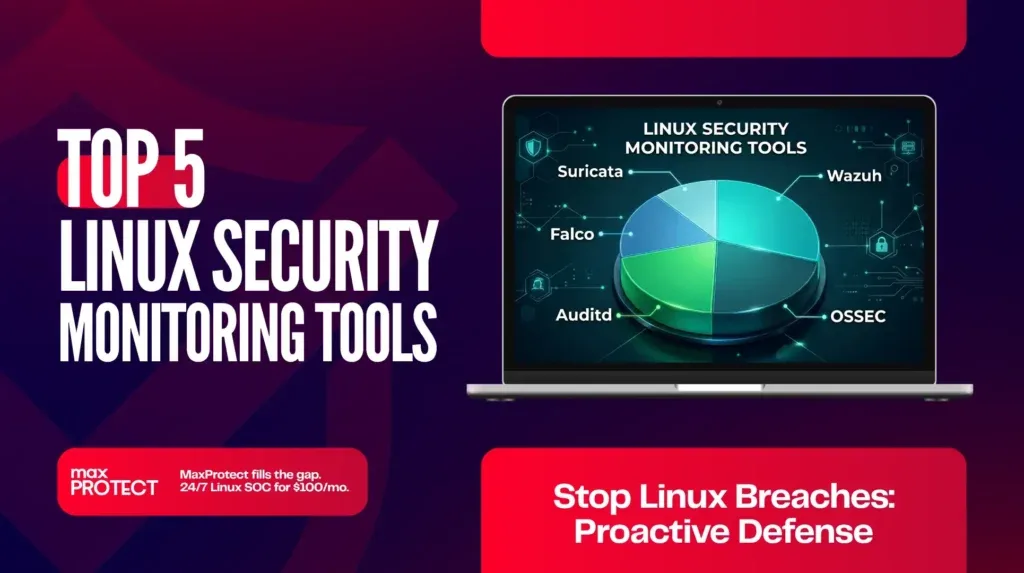
Linux has earned a reputation as one of the most secure operating systems in the world. It powers cloud infrastructure, enterprise applications, web hosting environments, financial systems, and mission-critical workloads across industries. Its stability, flexibility, and security-focused architecture have made it the operating system of choice for organizations that require reliability at scale. However, security […]
How to Detect Malware on Linux Servers: Step-by-Step Guide (2026)
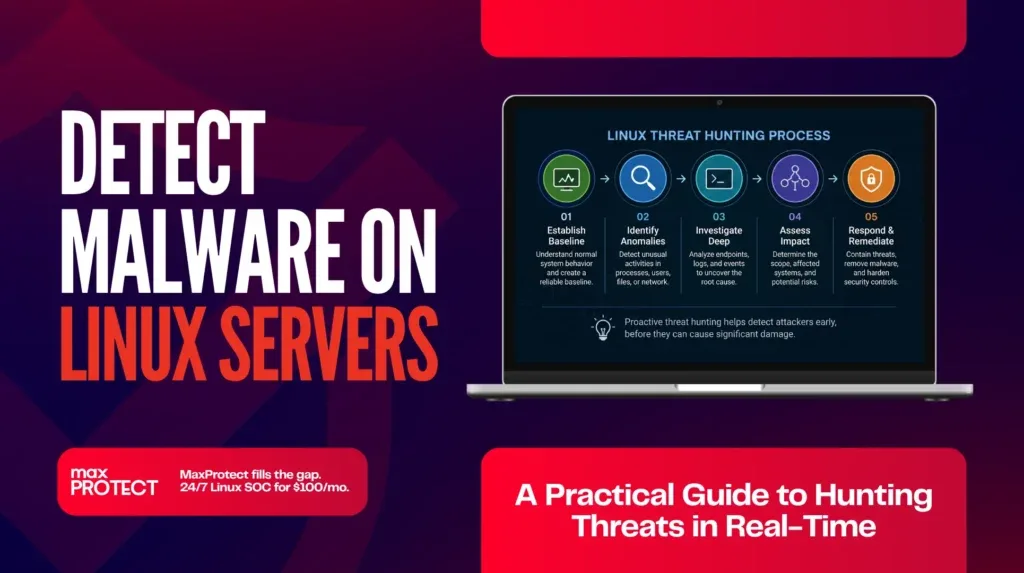
Why Linux Malware Detection Matters More Than Ever Linux has become the operating system of choice for modern enterprises. From cloud-native applications and containerized environments to mission-critical databases and web infrastructure, Linux servers power a significant portion of the internet and enterprise technology landscape. This widespread adoption has also attracted the attention of cybercriminals. Modern […]
Resolving SOC Alert Fatigue with Zero-Noise Operations: A Linux-Centric Approach
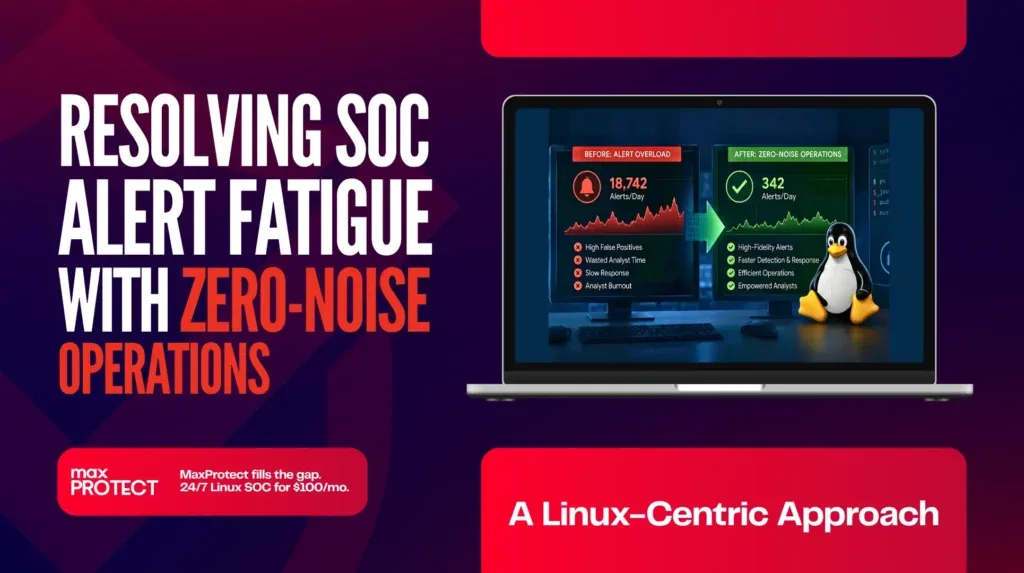
Introduction Security Operations Centers (SOCs) are designed to identify, investigate, and respond to security threats before they impact business operations. However, as organizations continue to expand their digital infrastructure, SOC teams face a growing challenge: alert fatigue. Modern security environments generate thousands of alerts daily from endpoint detection platforms, SIEM solutions, cloud security tools, vulnerability […]