

Windows Server Vulnerabilities: Why Businesses Can No Longer Ignore Server Security
In today’s digital landscape, Windows Server environments continue to power some of the most critical business operations across the world. From hosting applications and managing databases to supporting file sharing and authentication services through Active Directory, Windows Servers serve as the foundation of enterprise IT infrastructure. As organizations become increasingly dependent on digital systems, the security of these servers has become more important than ever.
Unfortunately, cybercriminals understand the value of compromising Windows Server environments. Attackers actively target servers because they often contain sensitive business data, user credentials, intellectual property, financial records, and access to critical network resources. A successful compromise can allow threat actors to move laterally across an organization, elevate privileges, deploy ransomware, and disrupt business operations on a massive scale.
Recent cybersecurity incidents have demonstrated that even well-established organizations can fall victim to server-based attacks like Kerberoasting, Pass-the-Hash, or DCSync attacks. when vulnerabilities remain unpatched like PrintNightmare (CVE-2021-34527) or ZeroLogon (CVE-2020-1472) or security controls are inadequately configured. The consequences often extend beyond technical disruptions, leading to financial losses, regulatory penalties, reputational damage, and prolonged operational downtime.
In this blog, we will examine the most critical Windows Server vulnerabilities affecting modern enterprises, explore how attackers exploit these weaknesses, discuss the business impact of server compromises, and review best practices for strengthening Windows Server security.

Why Windows Servers Are Prime Targets for Cybercriminals
Windows Server systems often occupy a central role within enterprise networks. They manage user authentication, store business-critical information, host internal and external applications, and facilitate communication between different systems. This centralization makes them highly attractive targets for threat actors seeking maximum impact from a single compromise.
Unlike endpoint devices that may contain limited information, servers frequently provide access to an organization’s entire infrastructure. Attackers who gain control of a Windows Server can often leverage that access to expand their reach, compromise additional systems, and maintain persistence within the environment.
Modern attack campaigns rarely focus on a single machine. Instead, cybercriminals aim to establish footholds within server environments that allow them to conduct reconnaissance, harvest credentials, escalate privileges, and ultimately achieve their objectives. Whether the goal is financial gain, data theft, espionage, or disruption, Windows Servers frequently become a primary target during every stage of the attack lifecycle.
Organizations operating hybrid environments face additional challenges. As Windows Servers increasingly interact with cloud services, remote users, and third-party applications, the attack surface continues to expand. Every connection, service, and configuration introduces potential opportunities for attackers to exploit vulnerabilities if security controls are not properly implemented.
The Growing Threat of Unpatched Windows Server Vulnerabilities
One of the most common causes of server compromise remains delayed patch management. Microsoft regularly releases security updates to address vulnerabilities discovered by researchers, security vendors, and internal development teams. These updates often contain fixes for critical security flaws that could otherwise allow remote code execution, privilege escalation, or unauthorized access.
Despite the availability of patches, many organizations struggle to deploy updates promptly. Business concerns regarding downtime, application compatibility, resource constraints, and operational complexity frequently result in delayed remediation. Unfortunately, threat actors actively monitor vulnerability disclosures and often develop exploits shortly after patches become publicly available.
The period between vulnerability disclosure and patch deployment has become a critical window of opportunity for attackers. Organizations that postpone updates may unknowingly expose their infrastructure to publicly documented vulnerabilities that are actively being targeted in the wild.
Server administrators should establish a structured patch management program that prioritizes critical vulnerabilities based on risk, business impact, and exploit availability. Vulnerability management should not be treated as a periodic activity but rather as an ongoing security process that continuously evaluates emerging threats and applies appropriate remediation measures.
Active Directory Security Weaknesses and Their Impact
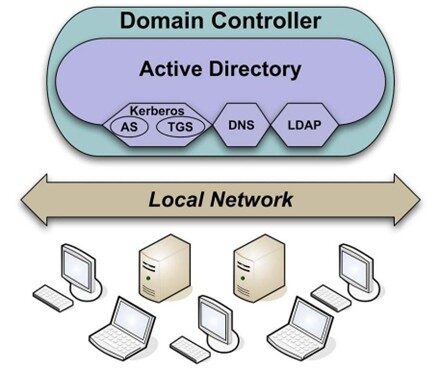
For many organizations, Active Directory serves as the backbone of identity and access management. It controls authentication, authorization, user management, and access permissions across the enterprise. While Active Directory offers significant administrative advantages, misconfigurations within the environment can create substantial security risks.
Attackers frequently target Active Directory because compromising identity systems can provide extensive control over an organization’s infrastructure. Excessive administrative privileges, poorly managed service accounts, insecure delegation settings, and weak password policies often create opportunities for privilege escalation.
Once attackers gain access to Active Directory, they may attempt to compromise domain controllers, manipulate Group Policy settings, create unauthorized accounts, or move laterally throughout the environment. These activities can occur rapidly and often remain undetected when monitoring controls are insufficient.
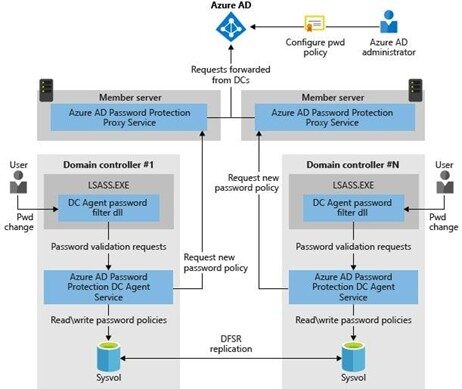
Organizations should regularly review Active Directory configurations, audit privileged accounts, enforce least-privilege principles, and monitor authentication activities for signs of suspicious behavior. Identity security has become one of the most important components of modern cybersecurity programs, particularly as attackers increasingly focus on credential-based attacks.
Remote Desktop Protocol: A Persistent Security Challenge
Remote Desktop Protocol (RDP) remains one of the most widely used administrative tools in Windows environments. It enables IT teams to manage servers remotely, troubleshoot issues, and perform routine maintenance. However, improperly secured RDP services continue to represent a major attack vector.
Internet-facing RDP services are frequently targeted by automated scanning tools that search for exposed systems. Once identified, attackers may attempt brute-force attacks, credential stuffing campaigns, or exploitation of known vulnerabilities.
The rise of remote work has further increased reliance on remote access technologies, creating additional security considerations for organizations. While remote access remains essential for operational efficiency, it must be protected through layered security controls.
Multi-factor authentication, network segmentation, VPN access requirements, account lockout policies, Zero Trust architectures. Identity-Aware Proxies (IAM) or modern access gateways (like Teleport) and continuous monitoring can significantly reduce the risks associated with remote administration. Organizations should also review whether publicly exposed RDP services are necessary and eliminate unnecessary exposure whenever possible.
How Misconfigurations Create Hidden Security Risks
Not all Windows Server vulnerabilities originate from software flaws. In many cases, security incidents occur because systems have been configured incorrectly.
Misconfigurations can expose sensitive services, grant excessive permissions, disable critical security features, or create pathways that attackers can exploit. Common examples include disabled logging, unrestricted file sharing, insecure firewall rules, and unnecessary administrative access.
These issues often develop gradually as systems evolve over time. New applications are installed, temporary exceptions become permanent, and security baselines drift away from their original configuration standards. Without regular audits, organizations may remain unaware of these weaknesses until a security incident occurs.
Configuration management should be treated as a continuous process. Regular reviews, security baselines, automated compliance monitoring, and vulnerability assessments can help identify and remediate configuration-related risks before they are exploited.
Ransomware Attacks and Windows Server Environments
Ransomware remains one of the most significant cybersecurity threats facing organizations today. Modern ransomware operators rarely focus solely on encrypting files. Instead, they conduct extensive reconnaissance, steal sensitive information, disable security controls, and target critical servers before initiating encryption activities.
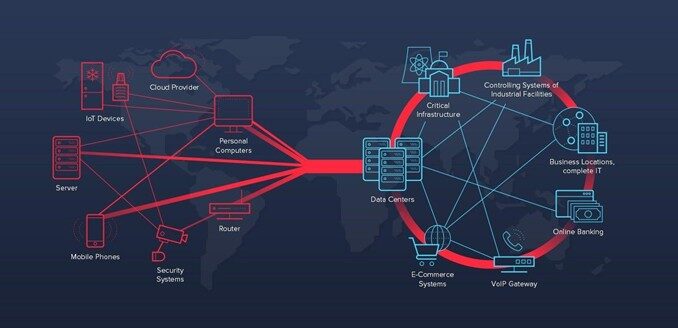
Windows Servers often become a primary objective because they provide access to large volumes of business data and infrastructure resources. Domain controllers, file servers, backup systems, and database servers are particularly attractive targets.
A successful ransomware attack against server infrastructure can halt business operations, disrupt customer services, and create significant financial consequences. Recovery efforts may require extensive forensic investigations, infrastructure rebuilding, and prolonged downtime.
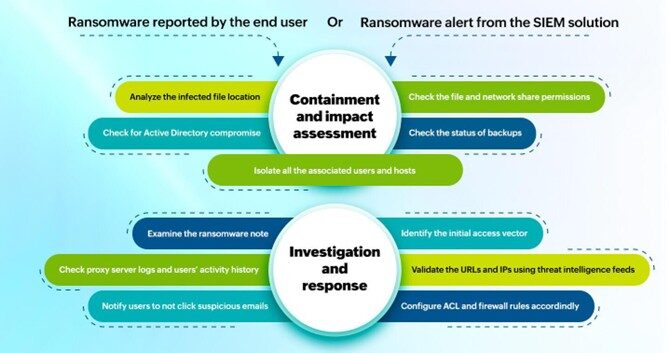
Organizations seeking to defend against ransomware must adopt a proactive security strategy that includes vulnerability management, endpoint detection and response, network segmentation, backup protection, and continuous monitoring.
The Importance of Windows Server Vulnerability Assessments
Identifying vulnerabilities before attackers do is one of the most effective ways to reduce organizational risk. Vulnerability assessments provide visibility into weaknesses that may exist across server environments and help security teams prioritize remediation efforts.
A comprehensive Windows Server vulnerability assessment examines operating system vulnerabilities, application security issues, configuration weaknesses, authentication controls, network exposure, and compliance requirements. The objective is not simply to identify vulnerabilities but to understand how those weaknesses could affect business operations.
Organizations that conduct regular assessments are better positioned to address emerging threats before they become security incidents. Assessments also support regulatory compliance requirements and provide valuable insights into overall security maturity.
As cyber threats continue to evolve, vulnerability assessments should form a core component of every organization’s cybersecurity program.
Building a Secure Windows Server Environment
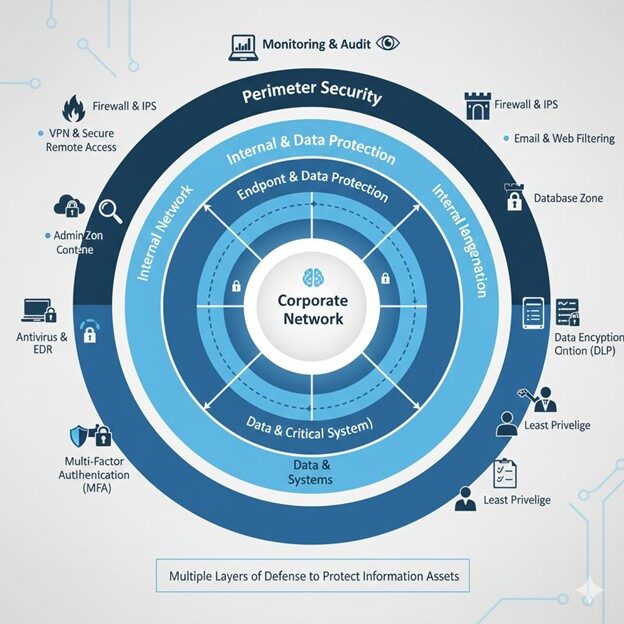
Effective server security requires a layered approach that addresses multiple areas of risk simultaneously. Organizations should focus on strengthening identity security, implementing robust patch management processes, hardening configurations, monitoring activity, and continuously assessing vulnerabilities.
Security teams should establish clear governance policies that define responsibilities, remediation timelines, and security standards. These policies should be supported by technical controls that enforce compliance across the environment.
Investment in security technologies such as SIEM platforms, endpoint detection and response (EDR) solutions, privileged access management systems, and security monitoring tools can significantly improve visibility and reduce response times when suspicious activity occurs.
However, technology alone is not sufficient. Organizations must also develop security awareness, incident response capabilities, and ongoing security assessment programs to maintain resilience against evolving threats.
Conclusion
Windows Server vulnerabilities continue to represent one of the most significant security challenges facing modern organizations. As businesses increasingly rely on digital infrastructure to support operations, customer services, and data management, securing server environments has become a business necessity rather than a technical option.
Threat actors actively target Windows Servers because they often provide direct access to critical systems, sensitive information, and enterprise-wide resources. Unpatched vulnerabilities, Active Directory weaknesses, exposed remote access services, and configuration errors can all create opportunities for attackers to compromise infrastructure and disrupt operations.
Organizations that adopt a proactive security strategy are far better positioned to defend against these threats. Regular vulnerability assessments, security audits, penetration testing, continuous monitoring, and server hardening initiatives can significantly reduce risk and strengthen overall security posture.
By investing in comprehensive Windows Server security practices today, businesses can protect critical assets, maintain operational continuity, and build a more resilient infrastructure capable of withstanding the evolving cyber threat landscape.