
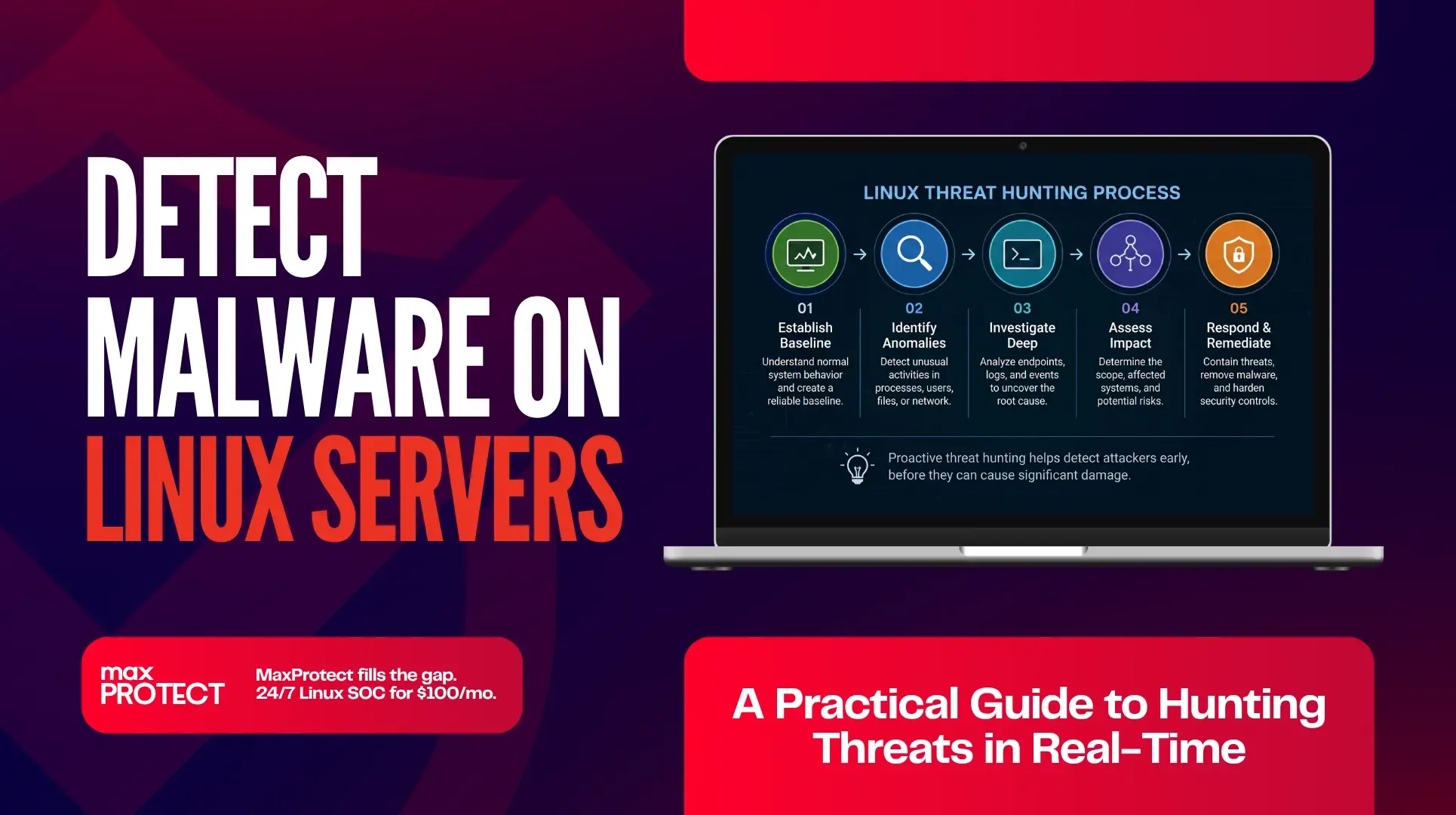
Why Linux Malware Detection Matters More Than Ever
Linux has become the operating system of choice for modern enterprises. From cloud-native applications and containerized environments to mission-critical databases and web infrastructure, Linux servers power a significant portion of the internet and enterprise technology landscape.
This widespread adoption has also attracted the attention of cybercriminals. Modern threat actors recognize that compromising a Linux server can provide access to valuable data, business-critical applications, cloud resources, and internal networks. As a result, Linux systems are increasingly targeted by ransomware operators, cryptomining campaigns, botnets, and advanced persistent threats (APTs).
Many organizations still assume Linux systems are inherently secure and therefore require less monitoring than other operating systems. While Linux offers a strong security foundation, attackers are constantly developing new techniques to exploit misconfigurations, unpatched vulnerabilities, weak authentication controls, and exposed services.
Effective Linux malware protection is no longer limited to prevention. Organizations must be capable of detecting suspicious activity in real time, investigating indicators of compromise, and responding before attackers can disrupt operations or exfiltrate sensitive information.
In this blog, we will explore how malware targets Linux servers, the indicators security teams should monitor, a practical threat-hunting process, the role of modern security technologies, and long-term strategies to protect Linux servers from ransomware and other evolving cyber threats.
The Evolving Threat Landscape Targeting Linux Servers
The cybersecurity landscape has changed dramatically over the last decade. Historically, attackers focused primarily on desktop systems and enterprise workstations. Today, Linux servers represent some of the most valuable assets within organizational environments.
Modern attacks against Linux infrastructure often target:
- Cloud-hosted workloads
- Virtualized environments
- Container platforms
- Enterprise databases
- Application servers
- Kubernetes clusters
- Web hosting infrastructure
The motivation is straightforward. A successful compromise can provide access to sensitive business information, customer data, authentication credentials, and operational systems that support daily business activities.
Attackers also recognize that Linux servers frequently operate continuously with elevated privileges and direct connectivity to critical resources. This makes them ideal targets for ransomware deployment, cryptomining operations, and long-term persistence.
How Malware Typically Reaches Linux Servers
Most successful attacks do not begin with sophisticated malware. In many cases, attackers gain access by exploiting common weaknesses that exist across enterprise environments.
- Exposed Services & Weak Authentication: Brute-forcing or credential-stuffing public-facing SSH, FTP, or administrative dashboards that lack Multi-Factor Authentication (MFA).
- Application-Layer Vulnerabilities (RCE): Exploiting unpatched web applications, third-party plugins, or vulnerable middleware to drop web shells.
- Cloud & Container Misconfigurations: Abusing overly permissive IAM roles, exposed Docker daemon APIs, or poorly segmented Kubernetes pods.
Once access is established, attackers focus on maintaining persistence, escalating privileges, and expanding their visibility across the environment before deploying malware or ransomware.
Understanding these attack paths is critical because effective detection often begins long before malware executes its final payload.
The Modern Approach to Linux Malware Detection
Traditional malware detection relied heavily on identifying known malicious files. While this approach remains useful, modern attackers frequently modify malware to evade signature-based detection.
Security teams now focus on behavioral analysis rather than relying solely on known indicators.
Instead of asking whether a file matches a known malware signature, modern detection asks:
- Is the process behaving normally?
- Is the server communicating with unexpected systems?
- Has a privileged account performed unusual actions?
- Have critical files been modified unexpectedly?
- Does system activity align with established baselines?
This shift from static detection to behavioral analysis has become one of the most effective methods for identifying modern threats.
Building a Baseline Before Hunting Threats
One of the most overlooked aspects of Linux security monitoring is establishing a baseline of normal activity.
Security teams cannot identify abnormal behavior without first understanding what normal operations look like.
A baseline should include:
- Typical resource utilization
- Standard network communications
- Authorized user behavior
- Normal administrative activities
- Expected application interactions
For example, if a database server normally communicates with three internal systems but suddenly begins transmitting data to an unfamiliar external destination, that activity warrants investigation.
Baselining transforms security monitoring from reactive alert processing into proactive threat detection.
A Practical Threat-Hunting Process for Linux Servers
Threat hunting should follow a structured methodology rather than relying on isolated investigations.
A repeatable process improves consistency, accelerates investigations, and increases the likelihood of identifying malicious activity before significant damage occurs.
Step 1: Identify Behavioral Anomalies
The first phase involves identifying activity that deviates from expected operational behavior.
Examples include:
- Unexpected resource consumption
- Unusual process execution
- New service creation
- Suspicious user activity
- Abnormal network communications
Not every anomaly represents a security incident, but every anomaly deserves validation.
The goal is to determine whether the activity can be explained by legitimate business operations or whether it requires further investigation.
Step 2: Investigate Endpoint Activity
Once suspicious behavior has been identified, investigators should examine endpoint activity to understand what occurred on the affected system.
Questions that should be answered include:
- What processes were executed?
- Which accounts initiated the activity?
- What files were accessed or modified?
- Were any privileges elevated?
- Did the activity occur during normal operating hours?
This phase often provides the first clear indication that malware may be present.
Step 3: Analyze Authentication Events
Authentication data provides valuable context during investigations.
Threat actors frequently leave traces through:
- Failed login attempts
- Privilege escalation events
- Unauthorized account creation
- Administrative activity
- Remote access sessions
Reviewing authentication activity helps establish attacker timelines and identify compromised accounts.
Step 4: Examine Network Communications
Most malware requires external communication to receive commands, transfer data, or download additional components.
Network analysis should focus on:
- Unexpected outbound traffic
- Unknown destinations
- Persistent external connections
- Unusual data transfer volumes
Even highly sophisticated malware often generates detectable network patterns.
Step 5: Assess Persistence Mechanisms
Attackers rarely compromise systems for short-term access.
Most campaigns attempt to establish persistence mechanisms that survive reboots and administrative actions.
Investigators should evaluate:
- Startup services
- Scheduled tasks
- Configuration changes
- User account modifications
- Authentication settings
Persistence mechanisms frequently reveal both attacker objectives and compromise duration.
Step 6: Determine Impact Scope
After identifying malicious activity, organizations must determine the extent of compromise.
Questions include:
- Which systems were affected?
- Was sensitive data accessed?
- Were credentials exposed?
- Has lateral movement occurred?
- Are business operations at risk?
Understanding scope is essential for effective remediation.
The Role of Security Technologies in Linux Malware Detection
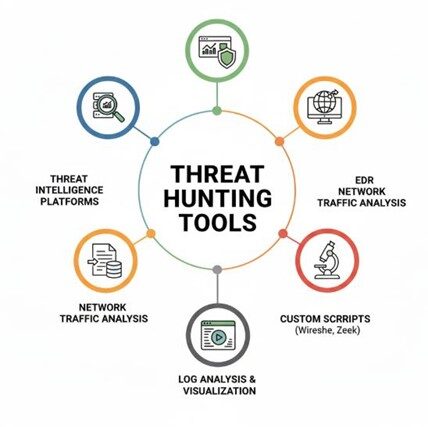
Modern Linux security monitoring relies on multiple technologies working together to provide visibility across the environment.
Endpoint Detection and Response (EDR) technologies provide detailed visibility into process execution, user activity, privilege changes, and system behavior. Rather than focusing solely on malware signatures, EDR solutions identify suspicious behaviors that may indicate compromise.
Security Information and Event Management (SIEM) platforms aggregate logs from servers, applications, authentication systems, and network infrastructure. This centralized visibility allows analysts to correlate events and identify attack patterns that might otherwise remain hidden.
File Integrity Monitoring (FIM) helps identify unauthorized modifications to critical files, system configurations, and authentication mechanisms. Because malware often requires changes to system components to establish persistence, integrity monitoring plays an important role in early detection.
Network Detection and Response (NDR) technologies provide visibility into communications occurring between systems and external networks. These solutions can reveal command-and-control traffic, suspicious data transfers, and lateral movement activity.
Organizations with mature security programs often integrate these technologies into a broader detection strategy that provides visibility across endpoints, networks, cloud environments, and identity systems.
Detecting Ransomware Before Encryption Begins
Ransomware remains one of the most significant threats facing Linux environments today.
Contrary to popular belief, ransomware attacks rarely begin with file encryption. Attackers typically spend considerable time conducting reconnaissance and preparing the environment before launching the final stage of the attack.
Common pre-encryption activities include:
- Network discovery
- Privilege escalation
- Backup identification
- Credential harvesting
- Lateral movement
- Data exfiltration
These activities generate numerous opportunities for detection.
Organizations capable of identifying these indicators can often stop ransomware attacks before encryption occurs.
The ability to detect attacker behavior early frequently determines whether an incident becomes a minor security event or a major business disruption.
Incident Response After Malware Detection
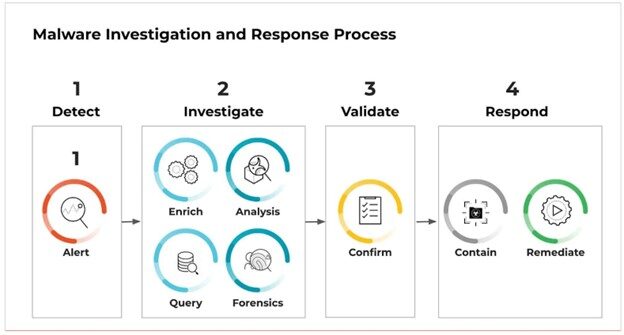
Detecting malware is only the beginning. Effective response determines the ultimate impact on the organization.
The first priority should be containment. Isolating affected systems helps prevent lateral movement and limits the attacker’s ability to access additional resources.
Evidence preservation is equally important. Security teams should collect logs, system information, authentication records, and other artifacts required for investigation.
Once evidence has been secured, organizations can begin eradication efforts, remove malicious components, address exploited vulnerabilities, and restore operations from trusted resources.
Finally, every incident should conclude with a lessons-learned review. Understanding how the attack occurred enables organizations to improve security controls and reduce future risk.
Best Practices for Long-Term Linux Malware Protection
Strong Linux malware protection requires a layered security strategy rather than reliance on any single technology.
Organizations should focus on maintaining visibility across their infrastructure, continuously monitoring system activity, reviewing access controls, and regularly assessing security posture.
Security teams should also prioritize:
- Timely vulnerability remediation
- Strong authentication controls
- Principle of least privilege
- Continuous security monitoring
- Secure backup strategies
- Regular threat-hunting exercises
- Incident response readiness
When implemented together, these practices significantly improve an organization’s ability to detect and respond to threats.
Conclusion
Linux servers continue to serve as the foundation of modern enterprise infrastructure, making them increasingly attractive targets for cybercriminals. While Linux provides a robust security architecture, effective protection requires continuous visibility, proactive monitoring, and a mature detection strategy.
Organizations that invest in behavioral monitoring, threat hunting, endpoint visibility, centralized log analysis, and incident response preparedness are better positioned to detect malware before it disrupts operations.
The most successful security programs recognize that malware detection is not a single technology or process. It is an ongoing effort that combines people, processes, and technology to identify threats early, reduce risk, and maintain operational resilience.
As cyber threats continue to evolve, proactive Linux security monitoring and threat hunting will remain essential components of every organization’s cybersecurity strategy.